Singapore: A "FINE" City and a Model of Structured Governance

1. Rule of Law & Discipline
Singapore is globally recognized for its rigorous enforcement of laws and its zero-tolerance approach to crime, corruption, and social disorder. From minor infractions like littering and jaywalking to more serious offenses, the legal system operates with consistency and efficiency.
2. Urban Design and Cleanliness
The city-state is meticulously planned. From public transport to housing and green spaces, everything is optimized for efficiency and quality of life. Cleanliness isn’t just cultural — it’s legally enforced, contributing to a pristine urban environment.
3. Education to Workforce Pipeline
Education in Singapore is treated as a national priority. Students undergo a demanding but effective system that emphasizes meritocracy, discipline, and skill development. This seamlessly feeds into a highly skilled, globally competitive workforce.
4. Controlled Growth and Innovation
Despite tight control, Singapore has fostered innovation — especially in finance, biotech, and smart city infrastructure. The government's strategic interventions allow for growth while maintaining societal order.
5. From Production to End User
Even in commerce and industry, standards are high. Whether it's public housing, transport, or products in the market, there's a strong emphasis on quality control, traceability and safety again enforced by regulation.
The country's success story is often viewed as a model of what can be achieved when governance is firm, corruption is minimal, and long-term planning overrides short-term politics. While not without its criticisms (particularly around personal freedoms and political plurality), Singapore represents a powerful example of a highly efficient, controlled society that works for the majority of its citizens.
Singapore is a country of remarkable diversity and ranks among the most developed nations in the world. Despite its high level of urbanization, it is known as a "green city" due to having one of the highest percentages of tree cover globally. The moderate climate throughout the year adds to its appeal as a destination for international students.
English is one of the four official languages in Singapore and serves as the primary medium of instruction in all public schools. With the majority of the population fluent in English, Singapore is especially welcoming and accessible for students from around the world.
Singapore is widely regarded as one of the smartest and safest countries in the world. It offers the best quality of life in Asia and ranks sixth globally. Known for its cleanliness and safety, Singapore also boasts excellent public transport infrastructure. Over the years, it has established itself as a major hub of global economic activity, attracting many reputed international organizations to set up their campuses and offices. According to estimates, there are around 26,000 international corporations operating in Singapore. With such a high level of economic activity, the country offers abundant job opportunities for graduates.
As a highly developed market economy, Singapore consistently reports strong GDP growth year after year. Approximately half of its workforce is made up of non-Singaporeans, reflecting the country’s openness to global talent. This creates favorable opportunities for international students to join the workforce after completing their education, supported by Singapore's student- and immigrant-friendly policies. The country also boasts one of the lowest unemployment rates in the world. Singapore is home to some of the top educational institutions in the Asia-Pacific region, such as the National University of Singapore (NUS) and Nanyang Technological University (NTU). Its education system is on par with those of other developed nations, offering both innovation and academic excellence.
Singapore hosts an estimated 50,000 foreign students, primarily from countries such as Malaysia, Indonesia, Thailand, Vietnam, China, India, and South Korea. These students are typically between the ages of 13 and 23. According to a recent report, over 34,000 international students came to Singapore in 2023 alone to pursue higher education.
Why Study in Singapore?
- Global Reputation for Education: Singapore is home to some of the world’s best universities, known for academic excellence and research.
- High Quality of Life: It offers clean surroundings, efficient public transport, and a comfortable lifestyle.
- Strong Industry Links: Many global companies have offices in Singapore, giving students great internship and job opportunities.
- Affordable Tuition Fees: Compared to countries like the US or UK, studying in Singapore is often more cost-effective.
- Multicultural Society: People from many cultures live together in harmony, making it a welcoming place for international students.
- Safe and Secure: Singapore is one of the safest countries in the world, with low crime rates and strict laws.
Some of the Leading Universities and Institutions in Singapore
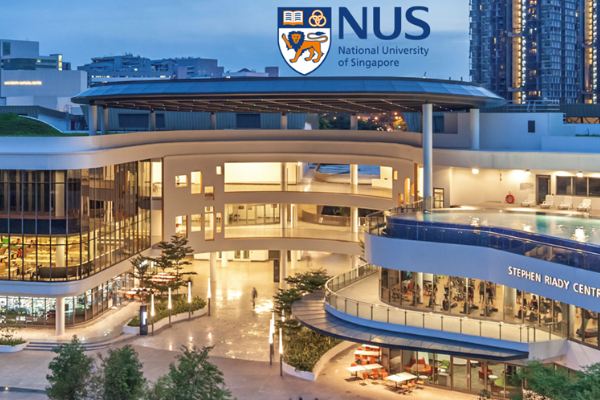
National University of Singapore (NUS)
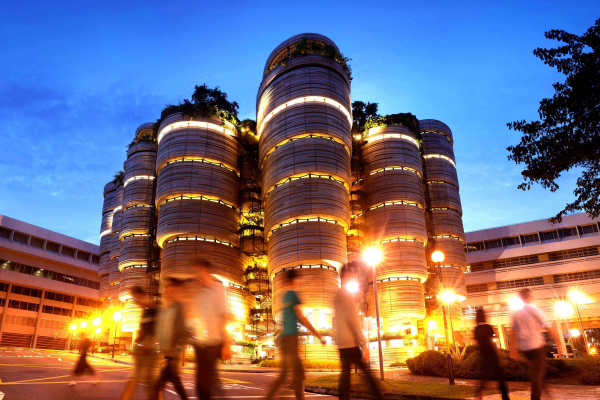
Nanyang Technological University (NTU)
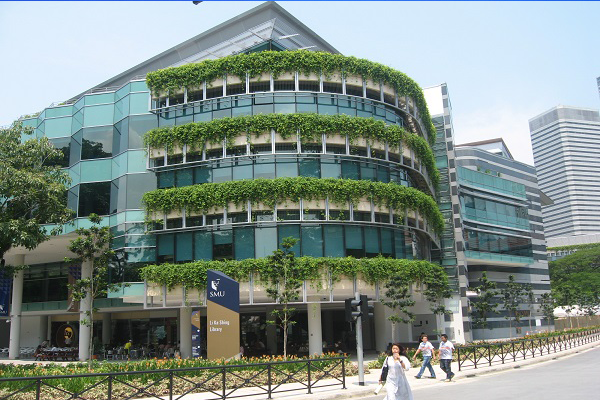
Singapore Management University (SMU)
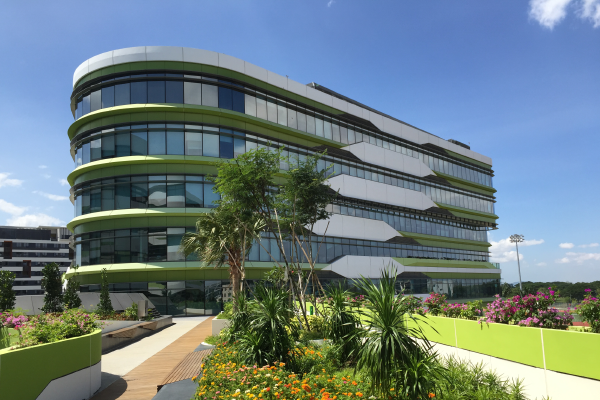
Singapore University of Technology and Design (SUTD)
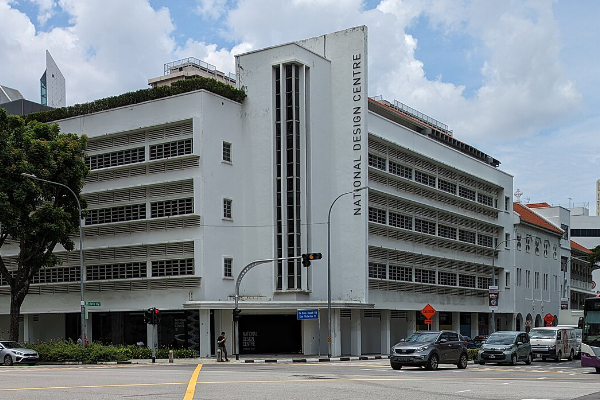
University of Arts, Singapore
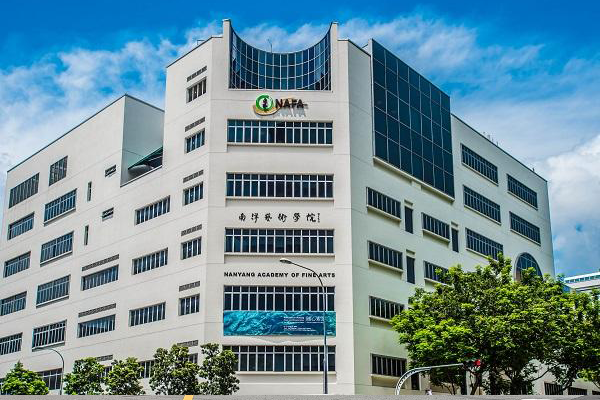
Nanyang Academy of Fine Arts (NAFA)
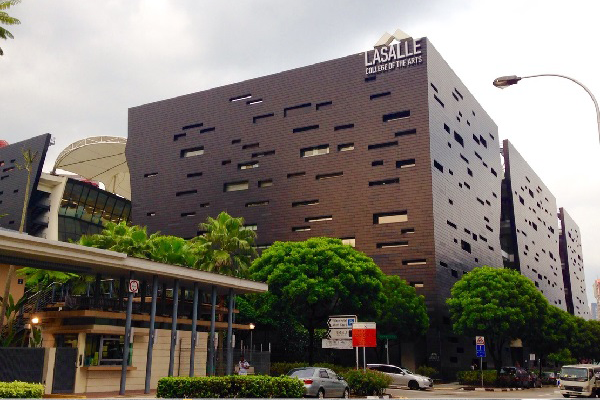
LASALLE College of the Arts
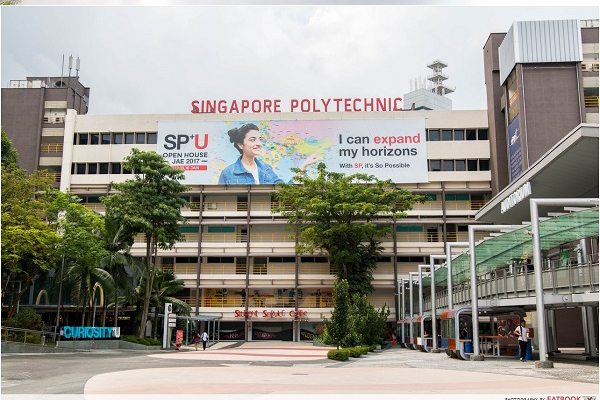
Polytechnics in Singapore
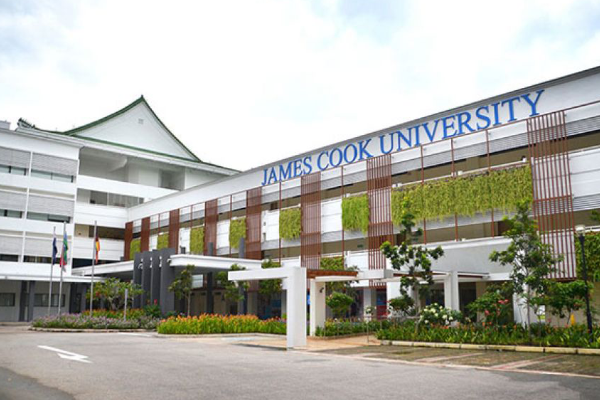
James Cook University (Singapore Campus)
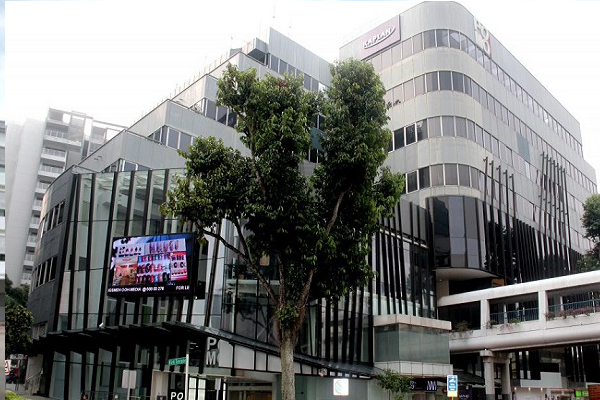
Kaplan Higher Education Academy
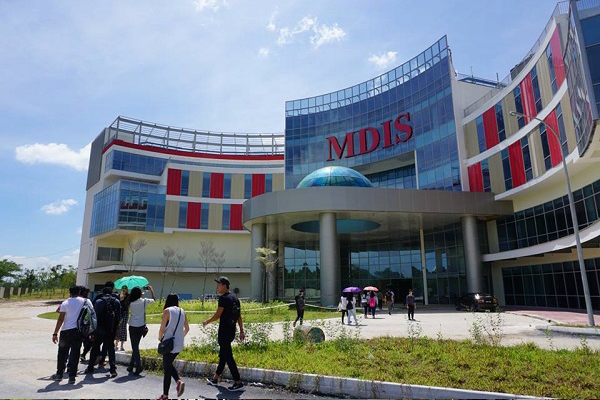
Management Development Institute of Singapore (MDIS)
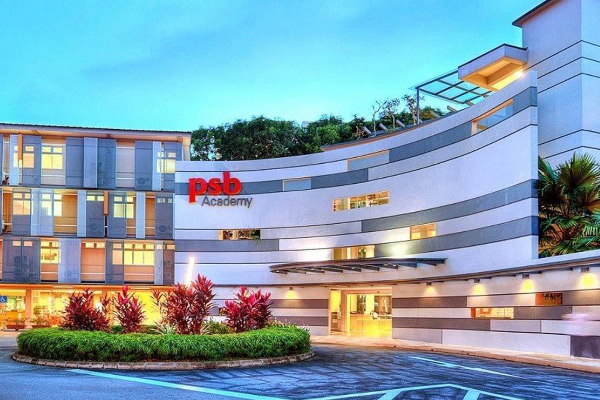
PSB Academy
London School of Business and Finance (LSBF Singapore)
One interesting aspect of Singapore's education system: The Tuition Grant Scheme
Singapore offers a Tuition Grant Scheme (TGS) to help subsidize the cost of selected full-time diploma and undergraduate programs at local Institutes of Higher Learning (IHLs). These include polytechnics, the Institute of Technical Education (ITE), arts institutions, and autonomous universities.
The scheme is available to:
- Singapore Citizens (automatically eligible)
- Permanent Residents
- International students (subject to certain conditions)
For international students and PRs, receiving the grant requires signing a Tuition Grant Agreement, under which they commit to working in a Singapore-registered company for three years upon graduation (for undergraduate students).
This scheme allows Singapore to attract and support talented students while ensuring a return on investment through service to the local economy.
Singapore, in addition to its prestigious local universities, Singapore hosts a number of international branch campuses and collaborative institutions that offer globally recognized programs.
National University of Singapore (NUS)
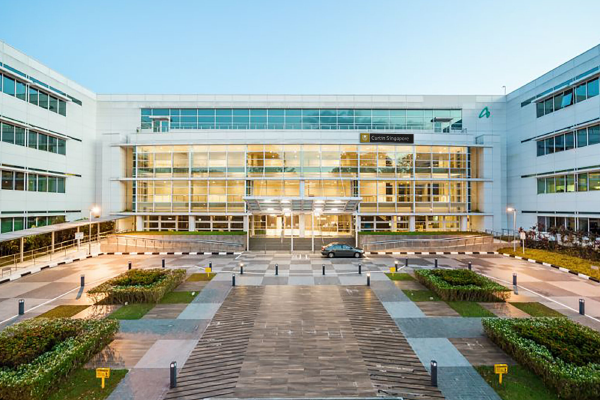
Nanyang Technological University (NTU)
Singapore Management University (SMU)
Singapore University of Technology and Design (SUTD)
🌟 Conclusion
Singapore stands out as a premier study destination, offering a unique blend of academic excellence, global recognition, and financial accessibility. Home to world-renowned institutions such as the National University of Singapore (NUS) and Nanyang Technological University (NTU), the country is firmly positioned on the global academic map. Beyond the classroom, Singapore's robust economy opens doors to abundant internship and job opportunities, giving students valuable real-world experience. To further support international students, a range of scholarships and grants help ease the financial burden, making quality education more attainable. With its dynamic learning environment, multicultural society, and promising career pathways, Singapore is an ideal choice for students seeking both educational and professional growth.