
Malaysia's Growing Role in International Higher Education
Over the past two decades, Malaysia has been increasingly successful in attracting international students. While the country boasts a wide range of programs offered by local universities, it has also become a hotspot for global institutions establishing branch campuses or partnering with Malaysian institutions. These international collaborations often allow students to complete part of their studies in Malaysia, benefiting from lower tuition fees and living costs while earning degrees awarded by prestigious universities from countries like the UK, Australia, and the US through credit transfer or twinning programs. This model offers students a globally recognized education at a more affordable price, further enhancing Malaysia’s appeal as an international education destination.
Top QS-Ranked Universities in Malaysia
Malaysia is home to several universities that are highly ranked in the QS World University Rankings, reflecting the country's commitment to academic excellence and research innovation. Leading the list is the University of Malaya (UM), consistently ranked as Malaysia’s top university and recognized globally for its strong research output and academic reputation. Other prominent public universities include Universiti Teknologi Malaysia (UTM), Universiti Sains Malaysia (USM), Universiti Kebangsaan Malaysia (UKM), and Universiti Putra Malaysia (UPM) — each known for their strengths in engineering, science, and social sciences.
In addition to public institutions, several private universities in Malaysia have also earned a spot in the QS rankings. Notably, Taylor’s University, Sunway University, and UCSI University are recognized for their quality education, international outlook, and industry-relevant programs. These institutions have made significant strides in areas such as hospitality, business, and medicine, further solidifying Malaysia’s position as a competitive destination for higher education.
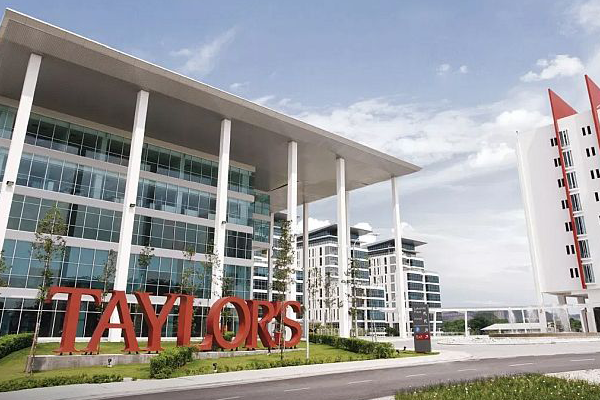
Taylor’s University
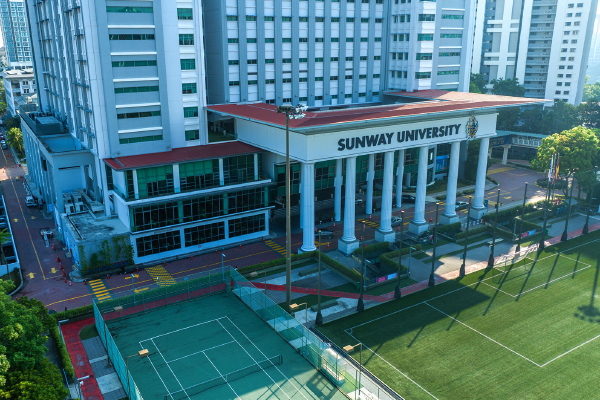
Sunway University
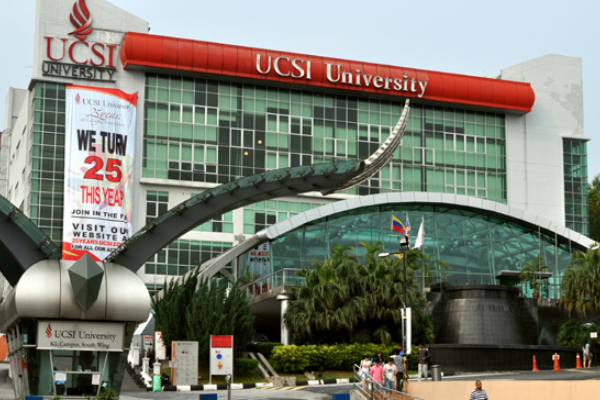
UCSI University
In addition, several universities and colleges offer a wide range of courses, from certificate programs to advanced research degrees across various disciplines. Tuition fees and living expenses are significantly lower compared to many other countries, while still maintaining a high standard of education."
Recently, Malaysia has introduced a Graduate Pass, a Social Visit Pass (SVP) category, which provides international graduates an opportunity to stay in the country for up to 12 months after completing their studies. Here's a summary of the key points and implications of this new policy:
🔑 What Is the Graduate Pass?
The Graduate Pass is a post-study visa scheme aimed at retaining international talent and offering greater flexibility for foreign graduates from Malaysian institutions.
✅ Key Features:
- Duration: Valid for up to 12 months
- Purpose: Allows job seeking, travel, and networking in Malaysia.
- Eligibility: Targeted at graduates of Malaysian higher education institutions, likely limited to certain nationalities (e.g., those with strong educational or bilateral ties with Malaysia).
- Dependents Allowed: Holders of the pass can bring their spouse or children, which is a significant new benefit.
- Non-renewable: It is generally not renewable, and is meant as a transitional pass (e.g., from student to employment)
🎯 Why Is This Important?
- Talent Retention: Helps Malaysia retain skilled international graduates who might otherwise leave the country immediately after graduation.
- Regional Competitiveness: Aligns Malaysia with other countries like Australia, the UK, and Canada, which offer post-study work or stay options.
- Tourism & Soft Power: Encourages graduates to explore Malaysia, contribute to the local economy, and potentially become cultural ambassadors.
- Pathway to Work Visa: Gives graduates’ time to secure employment, which can lead to a work permit or longer-term residency.
📌 Implications for Students:
- Strategic Advantage: Students may now prefer Malaysia over other destinations that don’t offer post-study stays.
- Less Pressure: Graduates won’t be forced to leave immediately, allowing time for thoughtful career planning.
- Family-Friendly: The ability to bring dependents makes it more appealing for mature or married students.

Career Opportunities for International Students in Malaysia
International students in Malaysia can find various employment opportunities, particularly in part-time roles during semester breaks or holidays. While full-time work is generally restricted, part-time positions like sales representatives, educators, digital trainees, graphic designers, and client onboarding analysts are popular options. Additionally, certain fields like cybersecurity and teaching offer promising career paths.
International students in Malaysia can work part-time for up to 20 hours per week during semester breaks or holidays longer than seven days. The country offers promising career prospects across several sectors:
- Cybersecurity: With a high demand for skilled professionals, many companies offer jobs to students even before they graduate.
- Education: Teaching positions are available in public schools, private institutions, and international schools, providing a culturally enriching environment and competitive salaries
- Engineering: Civil, mechanical, and electrical engineers are highly sought after.
- Healthcare: The government encourages international medical graduates to work in the public healthcare sector.
These opportunities make Malaysia an attractive destination for international students seeking both education and career growth.
The Johor Bahru Iskandar IT City Project:
The Johor Bahru Iskandar IT City initiative forms a strategic component of the broader Iskandar Malaysia economic corridor. While it is not formally designated as a singular "IT City" project, it represents a concerted effort to position Iskandar Malaysia as a regional hub for the digital economy and information technology. This includes attracting global and regional technology companies, fostering innovation ecosystems, and creating a business-friendly environment tailored to the needs of the digital sector.
Within this framework, targeted support is being provided to IT enterprises, startups, and digital service providers. In parallel, the region is becoming increasingly attractive for international students seeking higher education opportunities, particularly in fields related to technology and business. Notably, institutions such as the Management Development Institute of Singapore (MDIS), Malaysia—an established extension of MDIS Singapore—offer programs aligned with the digital transformation objectives of the region. These developments collectively enhance the appeal of Iskandar Malaysia as both an educational and technological destination.